 Lokahi Loft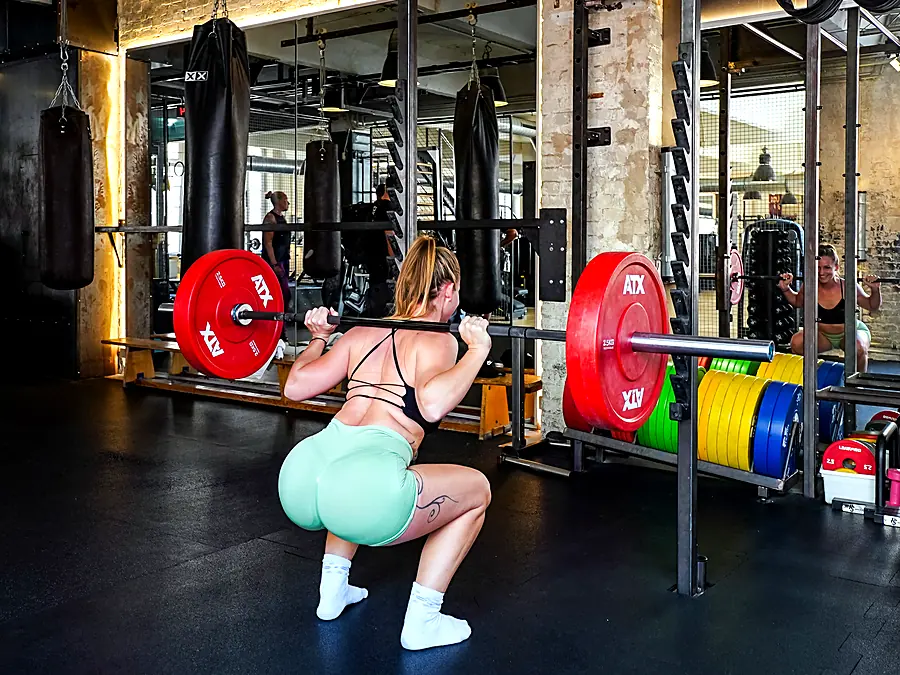
The shopping bags need to go up to the third floor, you're cutting it close for the train, and on the weekend you'd like to stay outside longer with the kids. Situations like these show what physical fitness is actually useful for in everyday life. It's worth aligning your training goal with that: what would you like to do more easily, more safely, or with less effort?
More strength for everyday tasks
Strength training can help build or maintain muscle strength and muscle mass. That's also relevant for daily tasks like climbing stairs and carrying groceries. Especially as we get older, physical activity supports the ability to manage everyday activities independently. [1]
Think of a specific task you'd like to get easier at. Maybe you want to carry your bike down to the basement more comfortably. You can mention this goal when you start training. It gives an exercise a personal meaning and helps you notice progress outside the studio.
Endurance for getting around the city
Regular movement supports heart health. Among other things, it can lower the risk of cardiovascular disease and type 2 diabetes. [2] Endurance training can be built up both in the studio and in everyday life, for example on a stationary bike, by cycling, or through brisk walking.
Your existing routes can already be interesting for your weekly plan. Is there a stretch you could comfortably walk? Does a walk fit into your lunch break? Choose something you'd actually want to repeat. You don't need to schedule every bit of movement on top of the rest of your day.
Movement can also be good for your mind
Physical activity can improve sleep and reduce symptoms of anxiety and depression. How much someone benefits varies. Movement can complement treatment, but it doesn't replace professional support for persistent mental health concerns. [2]
A training appointment can also be a deliberately set pause in your day. A class at a fixed time might help with that. Or you might prefer training quietly on the machines. Decide based on your preferences and on which environment you genuinely enjoy coming back to.
Start with a manageable week
As a general guide, health guidelines recommend adults get at least 150 minutes of moderate-intensity movement per week, such as brisk walking. Alternatively, 75 minutes of vigorous activity, or an equivalent combination, also works. On top of that comes muscle-strengthening activity for the major muscle groups on at least two days. This movement can be spread across shorter sessions. [3]
You can work your way up to this recommendation step by step. Two fixed strength-training sessions, supplemented by short, brisk walks, are one possible way to organize your week. Leaving a gap between strength sessions allows room for recovery. Volume and load should match your current training level.
If you've barely been active so far, start with a smaller amount. Even less movement than the recommended weekly amount can already be beneficial for your health. [3]
Track progress and adjust your routine
Write down a personal everyday goal and two fixed appointments for the coming week. After a few weeks, check in: Do certain movements feel easier? Can you perform the exercise with more control? Did you manage to fit in the planned sessions?
Organization matters too. If a session keeps falling through, try a different time or a shorter session. You're looking for a routine that fits your actual weekly rhythm. So a busy week doesn't have to mean the end of your training plan.
Find your start at Lokahi Loft
At Lokahi Loft in Berlin-Halensee, you can get to know strength training, endurance work and a range of classes. Take a look at our fitness offerings or read our guide to your first trial session. Think beforehand about what change you'd like to see in your everyday life, and bring that question along to your first visit.